You may have heard the term ‘forever chemicals’ popping up in the news lately.
These substances, officially known as PFAS, are found in everything from non-stick coated frying pans to water resistant clothing. They are called forever chemicals because they have incredibly strong bonds that do not break down easily in nature or inside our bodies.
The term ‘forever chemicals’ can sound a bit daunting, but our bodies can actually be quite resilient if we give them the right tools to support our natural clearance systems. Below are some very specific, time-tested methods we can use to move these stubborn molecules out of our bodies.
Where are we Picking up These Chemicals?
Most of us encounter forever chemicals (PFAS) daily via common household items and environmental factors.
Drinking Water
This is often the primary source. These chemicals are highly mobile and easily leach into groundwater and local reservoirs.
Non-Stick Cookware
Traditional coatings use these chemicals to create that slippery surface. If the pan is scratched or overheated, the particles can migrate into your food.
Takeaway Packaging
Grease resistant wrappers, pizza boxes, and microwave popcorn bags are frequently treated so that oil does not soak through the paper.
Stain Resistant Fabrics
Carpets, upholstery, and rugs often have protective coatings to prevent spills from sinking in.
Waterproof Clothing
Raincoats, hiking boots, and even some umbrellas use these substances to help water bead off the surface.
Personal Care Products
You can sometimes find them in waterproof mascara, certain brands of dental floss, and various sunscreens or lotions.
What Health Issues are Implicated in Exposure to Forever Chemicals?
The health concerns surrounding forever chemicals are largely due to their interference with our most vital biological systems. Because they linger in our body for years, they can:
- suppress the immune system’s ability to fight infection.
- disrupt the delicate balance of the thyroid.
- cause significant spikes in cholesterol levels.
- exist as endocrine disruptors, impacting pregnancy outcomes and metabolic health.
- accumulate long-term in the liver and kidneys contributing to organ damage and an increased risk of certain cancers.

Using Saunas to Sweat it Out
Historically, sweating has been considered a beneficial process for temperature regulation, but we now know that our skin can also be an important exit for toxins. Some chemicals like to bind to proteins in our blood and unlike other waste that exits through the kidneys, these chemicals can be pushed out through our pores.
Why the Sauna is Special
Saunas help to heat your body from the inside, stimulating the kind of deep heat that encourages a sweat rich in fats and oils, where these chemicals like to hide.
When you sweat deeply you bypass the kidneys, an important point, because the kidneys will often accidentally reabsorb these chemicals back into the blood before excreting them.
I usually recommend a Finnish style sauna for twenty minutes, 2 to 3 times a week. Always make sure to shower immediately after your sauna using a good natural soap. This step will wash the extracted oils away from the skin, so your body does not reabsorb them, along with the chemicals.
Foods that can Mop Up Forever Chemicals
The biggest challenge with detoxing is something called backflow. Your liver does the hard work of filtering a toxin and sends it to the gut to be flushed away. But because these chemicals are so sticky, your gut often thinks they are useful fats and pulls them back into your circulation.
This is where Beta Glucans can be particularly useful.
Beta Glucans are a special type of soluble fibre. When you eat them they turn into a thick gel in your digestive tract. This gel acts like a literal sponge, trapping the chemicals so they cannot be reabsorbed. Instead of leaking back into your blood, they stay locked in that fibre and leave your body when you go to the bathroom.
Top Sources of Beta Glucans
Barley
The most concentrated grain source, perfect for soups and stews.
Reishi Mushrooms
A powerful fungus that supports the liver while providing deep immune support.
Shiitake Mushrooms
A common culinary mushroom, great to add to daily stir fries or broths.
Nutritional Yeast
A savoury flake that can be sprinkled on almost anything for a quick boost.
Seaweed (Kelp)
Provides a unique marine version of these fibres that also help with digestion.
Maitake Mushrooms
Highly prized for having very complex and effective fibre structures.
Oyster Mushrooms
A delicious and accessible mushroom that is very high in soluble fibre.
Steel Cut Oats
A less processed version of oats that provides a steady release of fibre.
Turkey Tail
Usually taken as a tea or extract to provide a very specific type of immune fibre.
Reishi Mushrooms and Other Healing Foods
The Magic of Reishi
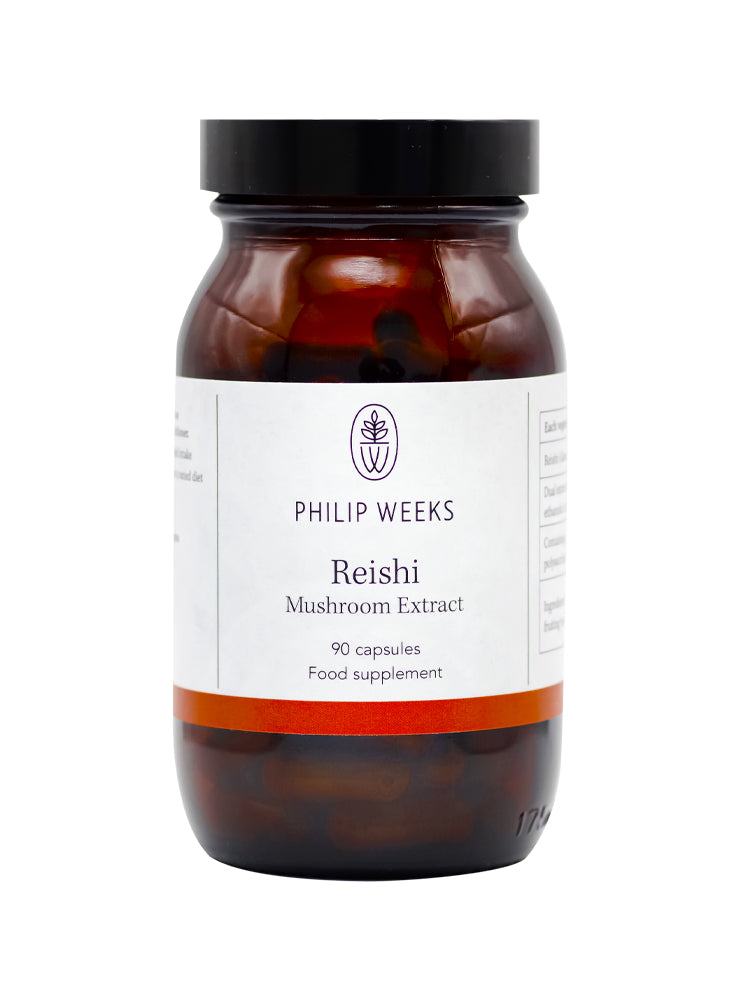
The Reishi mushroom is a powerhouse in supporting the excretion of forever chemicals as it contains a specific type of Beta Glucan that does two things at once. It helps to trap toxins in the gut, but also supports healthy liver function with compounds called triterpenoids that protect liver cells whilst dealing with a backlog of modern chemicals.
By combining the heat of the sauna with Beta Glucans, we can help forever chemicals find a way out of our system, reducing the overall toxic load.
Research Articles and Sources
- Oat fiber intervention for reducing PFAS body burden: A pilot study. Toxicology and Applied Pharmacology. December 2024.
- Evaluation of Immune Modulation by Beta 1,3 and 1,6 D Glucan Derived from Ganoderma lucidum in Healthy Adult Volunteers. Foods Journal. August 2025.
- Artificial Perspiration: A new tool in the fight against harmful PFAS exposure. Pickering Laboratories and News Medical. August 2025.
- Gut microbial beta glucanase: A vital regulator in female estrogen and chemical metabolism. Gut Microbes Journal. 2023;15:2236749.
- Microbiota modulation by dietary oat beta glucan prevents liver disease progression. Metabolic Research. 2024; pages 102 to 115.