
In clinic, certain patterns appear consistently when we examine stool test results. One of the most significant, and often overlooked, is the level of a specific beneficial bacterium known as Akkermansia muciniphila.
While it may not be a household name, low levels of Akkermansia are frequently associated with weight gain that is stubborn, increased inflammation, and disrupted metabolic health.
What makes this particularly encouraging is that, unlike genetics, Akkermansia levels are something we can positively influence through thoughtful, evidence-based strategies.
In this article, I’ll explain what Akkermansia does, why it matters for long-term wellbeing, and how we can naturally support it.
What is Akkermansia and Why Does It Matter?
Akkermansia muciniphila resides in the mucosal lining of the gut, the delicate protective barrier between the contents of your intestines and your bloodstream.
Rather than harming this layer, Akkermansia actually helps strengthen and maintain it.
When levels are healthy, we often observe:
- Stronger gut barrier integrity
- Reduced systemic inflammation
- Better insulin sensitivity
- More stable metabolic function
When levels are low, this protective lining can become compromised, which may contribute to:
- Weight that is hard to loose
- Blood sugar fluctuations
- Heightened inflammation
- Digestive discomfort
This is why Akkermansia has become the focus of considerable research in the field of metabolic health.
What Does the Research Show?
Multiple studies have found that individuals with higher levels of Akkermansia tend to have:
- Lower body fat percentage
- Improved insulin sensitivity
- Reduced inflammatory markers
While it is not a miracle solution on its own, the evidence clearly shows that the composition of our gut microbiome plays a central role in how the body regulates weight, inflammation, and metabolism.
Why Are Akkermansia Levels Often Low?
In practice, low Akkermansia is commonly linked to aspects of modern living, including:
- Diets high in ultra-processed foods
- Low fibre and limited plant diversity
- Chronic stress
- Poor sleep quality
- Frequent or repeated antibiotic use
These factors can reduce microbial diversity and create an environment less supportive of beneficial bacteria like Akkermansia.

How to Increase Akkermansia Naturally
The encouraging news is that Akkermansia responds well to gentle, consistent changes. Here are some of the most effective, evidence-based approaches:
Polyphenol-rich foods
Foods such as blueberries, pomegranate, green tea, and extra virgin olive oil are particularly supportive. Polyphenols act as fuel for beneficial bacteria and help promote a healthier microbial balance.
Increased plant diversity
Aim to have as many different greens and vegetables as you can each week. The greater the variety of fibres, the more stable and resilient your microbiome becomes.
Moderate fasting windows
Some research suggests that consistent overnight fasting (for example, 12–14 hours) may help encourage Akkermansia growth. This does not need to be extreme, but research does show that fasting is beneficial in increasing levels of Akkermansia.
Regular movement
Even moderate, consistent exercise has been shown to increase microbial diversity and support beneficial strains. Both aerobic activities (such as running, cycling, swimming, and brisk walking) and resistance training have been shown to increase levels of Akkermansia in the gut.
A Clinical Perspective
When we see low Akkermansia on a test, it is rarely an isolated issue. It usually reflects a broader pattern: reduced microbial diversity, a weakened gut lining, and increased inflammatory load.
Our goal is therefore not simply to boost one bacterium, but to restore balance to the entire gut ecosystem.
The Key Takeaway
Your metabolism is influenced by far more than calories or willpower alone. The bacteria living within you play a significant role in how your body manages weight, inflammation, and energy.
Supporting beneficial strains like Akkermansia through consistent, thoughtful diet and wellness choices offers one of the most useful ways to nurture long-term metabolic health.

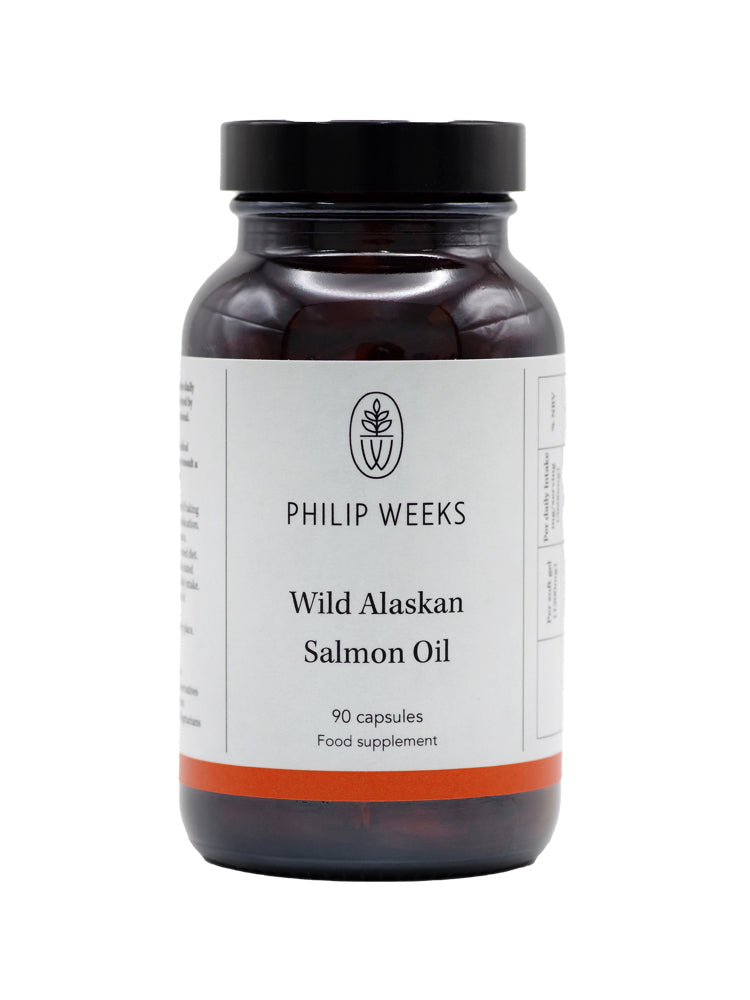
Shop Wild Alaskan Salmon Oil
Research References
- Cross-talk between Akkermansia muciniphila and intestinal epithelium controls diet-induced obesity. Proceedings of the National Academy of Sciences (PNAS), 2013.
- Akkermansia muciniphila and improved metabolic health during a dietary intervention in obesity. Gut Journal, 2016.
- Next-generation beneficial microbes: The case of Akkermansia muciniphila. Nature Reviews Gastroenterology & Hepatology, 2017.
- A polyphenol-rich cranberry extract protects against diet-induced obesity, insulin resistance and intestinal inflammation. Gut Journal, 2015.
- Exercise and associated dietary extremes impact on gut microbial diversity. Gut Journal, 2014.