
When patients talk about weight, they often focus on the visible fat beneath the skin. Yet the greater threat to long term health lies deeper within the abdomen, where visceral fat surrounds and compromises our vital organs.
In clinic, I frequently explain that while subcutaneous fat is the most noticeable, it is the hidden visceral fat around the liver, kidneys and pancreas that poses the greatest risk to metabolic health and longevity.
Before Christmas, I had a significant wake-up call having undergone a DEXA scan to assess my own body composition. Despite maintaining a healthy lifestyle, the results showed that my visceral fat levels were higher than I wanted them to be and I have since been on a personal mission to reduce those levels. Yet, during this time, it occurred to me this area of weight and loss can be quite confusing, as the term ‘weight loss’ doesn’t really apply here. When we are aiming to reduce visceral fat levels, the focus should be on fat loss rather than weight loss, whilst also gaining lean mass or muscle (therefore gaining weight).
In this way, measuring our body whilst aiming to reduce deadly visceral fat, can be confusing and unhelpful.

BMI (body mass index) is a measurement tool commonly used to determine whether we are a healthy weight. However, it can be misleading, as someone who has a lot of muscle mass might well register as overweight, but have low levels of visceral fat.
DEXA scans can be more useful, using ultra-low dose X-rays usually used to measure bone density, it can also analyse body composition, allowing a clearer, more accurate measurement of visceral fat levels.
There is, however, a simpler way to check your visceral fat levels, and all you need is a tape measure...
The Waist-to-Height Ratio is often more accurate than a standard scale because it focuses on dangerous abdominal fat.
How to Calculate Your Waist-to-Height Ratio
The Golden Rule: Your waist should be less than half your height.
-
Measure your waist at the level of your navel
(belly button). - Measure your height.
- Divide your waist by your height.
Your result should be 0.5 or less!
Examples of the 0.5 Limit:
Height: 6ft (182cm)
Your waist should be under 36" (91cm).
Height: 5ft 10in (178cm)
Your waist should be under 35" (89cm).
Height: 5ft 5in (165cm)
Your waist should beunder 32.5"(82cm).
Height: 5ft (152cm)
Your waist should be under 30" (76cm).
If your result is 0.5 or less, you are in the healthy range. If it is higher, it is likely that your body is storing dangerous visceral fat and, like myself, it is time to take action!
The Problem: Refined Carbohydrates and Insulin
One of the drivers of visceral fat accumulation is the hormone insulin. When we consume carbohydrates, the most obvious being white bread, pasta, and sugary snacks, our blood glucose levels spike. The body responds by releasing insulin to bring these levels down, signalling the liver to store that excess energy as fat, specifically within the abdominal cavity.
In our modern environment, it is very easy to fall into a pattern of grazing or relying on processed grains. This keeps insulin levels elevated throughout the day, effectively locking the body in storage mode. To break this cycle, I have found it essential to focus on whole, nutrient-dense foods and to give the digestive system periods of rest. Allowing insulin levels to drop is the fundamental key that unlocks deep fat stores, so they can be used for fuel.
The Stress Connection: Cortisol and B Vitamins
While insulin is the storage hormone, cortisol is the hormone that dictates where that fat is placed. Cortisol is our primary stress hormone. When we are under chronic pressure, cortisol sends a specific signal to deposit deep within the abdomen for any impending emergency. It’s very easy for cortisol to be dysregulated, especially if we don’t have enough sleep.
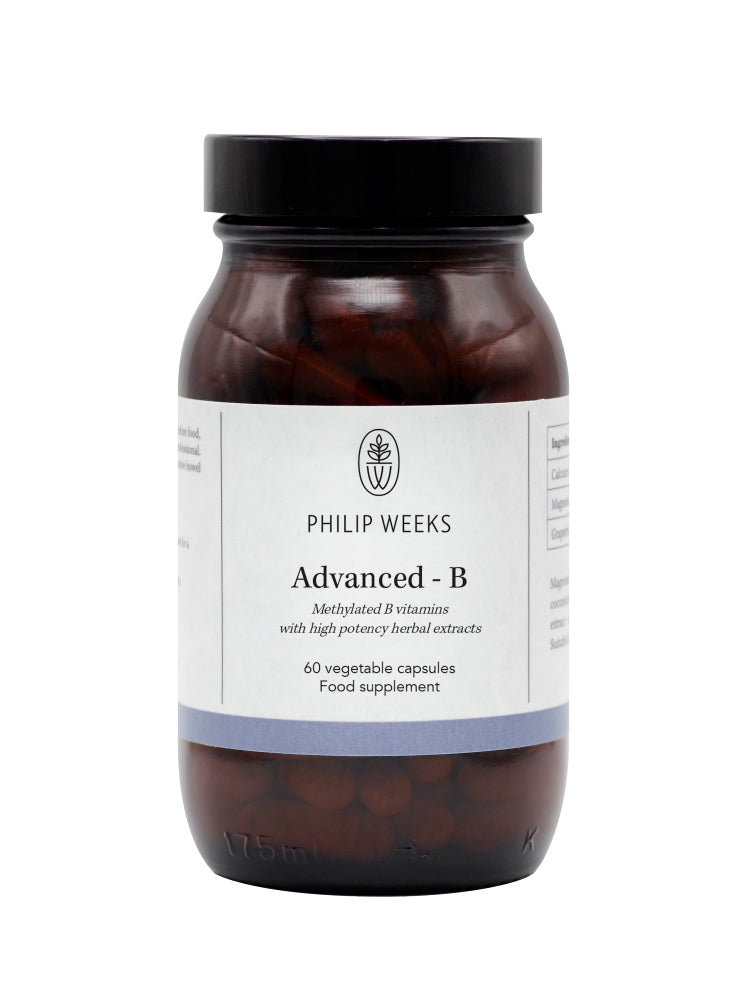
This is where B vitamins become essential. The adrenal glands, which produce cortisol, require high concentrations of B vitamins, particularly B5 (pantothenic acid) and B6, to function correctly. When we are stressed, we use up our B vitamin stores rapidly. This depletion makes it harder for the body to regulate the stress response, leading to prolonged cortisol spikes and, consequently, more stubborn visceral fat.
By supporting the nervous system with a high-quality B Complex, we help the body manage cortisol more effectively. This reduces the hormonal drive to store fat around the midsection and supports the energy production needed to remain active.
Bitters, Bile, and the Liver
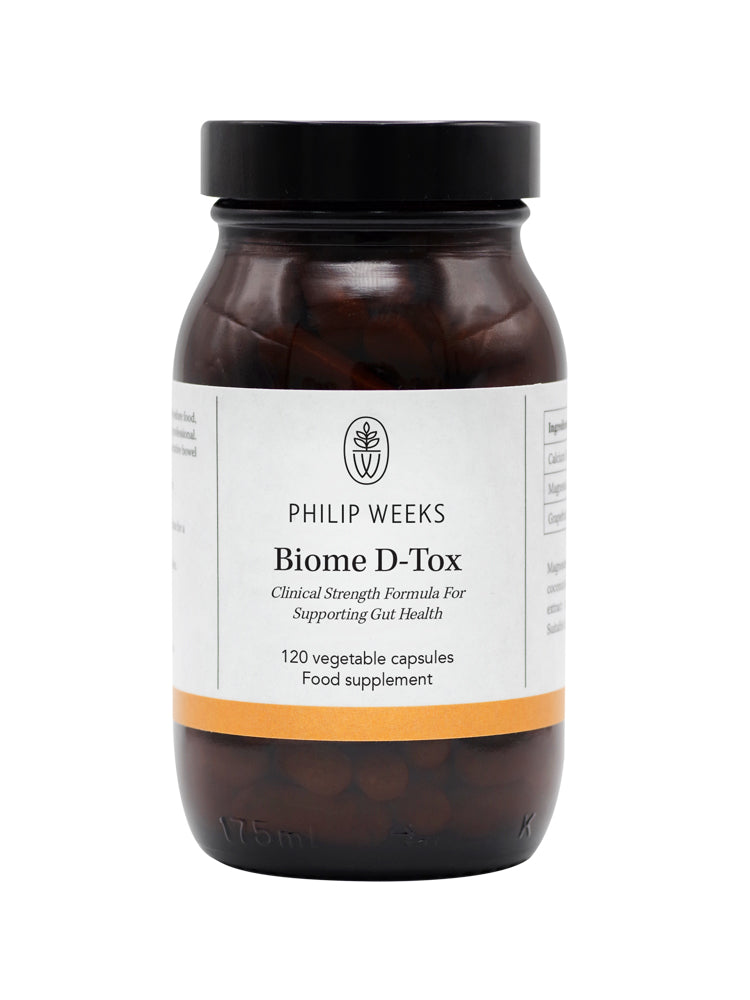
A crucial but often overlooked element of fat loss is the health of the liver and the quality of our bile. Visceral fat is frequently associated with a ‘sluggish liver’. Bile is not merely a digestive fluid for breaking down fats, it is also a primary pathway for the liver to export toxins and metabolised hormones.

In the western diet we have largely engineered bitterness out of our food in favour of sweet and salty flavours. I particularly like the S.A.D acronym which stands for the Standard American Diet! Though, the UK is not much better with sugar being the predominant flavour.
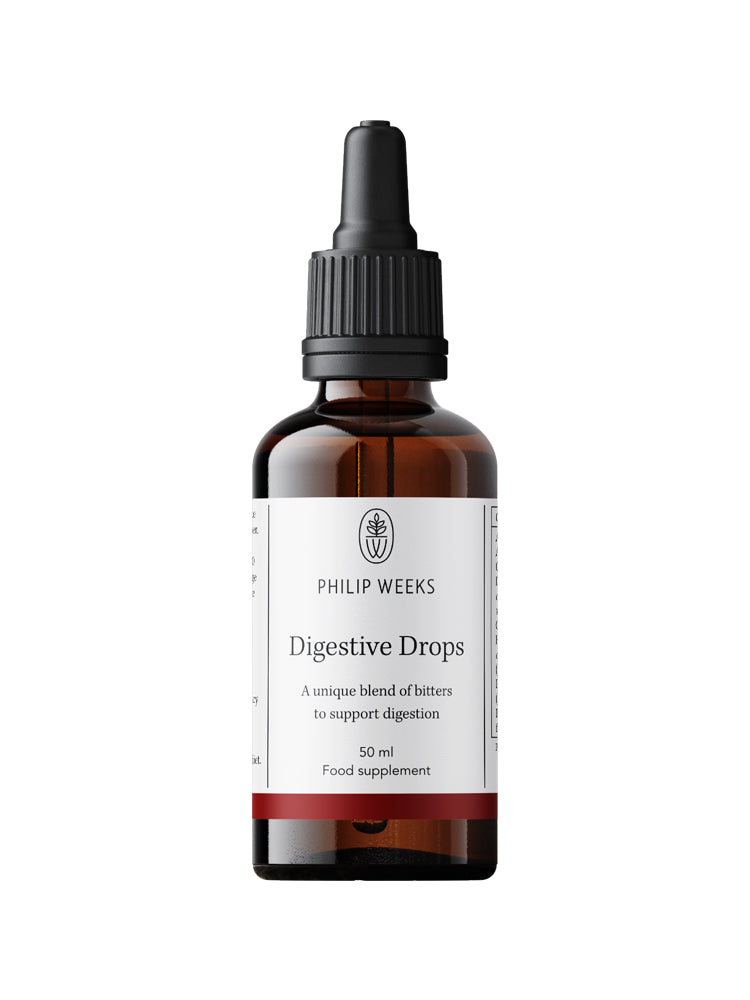
However, the bitter flavour is essential for metabolic health, a huge motivator behind the creation of my Digestive Drops – a tincture that has proved a transformative part of my own protocol. This formula is crafted with traditional herbs that work in harmony with each other:
- Gentian: Known as the most potent of all bitters, Gentian acts as a primary spark for the digestive fire, encouraging the stomach to produce the necessary acids and the pancreas to release enzymes.
- Artichoke: This herb is a powerful cholagogue, meaning it directly stimulates the gallbladder to release bile. Efficient bile flow is essential for clearing the sludge that can accumulate in a congested liver.
- Angelica: A warming aromatic bitter, Angelica helps to soothe the digestive tract while improving circulation to the abdominal organs, ensuring that nutrients are properly assimilated rather than stored.
-
Tangerine Peel: I came across this in my studies of Chinese Herbal medicine, rich in unique flavonoids like nobiletin and tangeretin, which have been shown to support insulin sensitivity and improve enzymes production in our digestive tract.

Shop Digestive Drops
Steps to reclaim our metabolic health
To begin to clear this hidden and deadly visceral fat, and protect your vital organs by reclaiming your metabolic health, I recommend focusing on these foundational pillars:
- Make sure you’re getting at least 1.6g of protein per kilo of body weight each day. It’s also a good idea to spread that out so you're getting a solid serving with every meal. Eating enough will also reduce potential sugar cravings
- Eliminate Refined Sugars: Minimise grains and all liquid sugars to allow your insulin levels to stabilise. This is also includes cutting out alcohol, at least until you hit your target weight.
- Dairy: For some people dairy, especially milk can be problematic as the hormones designed to grow a calf can interfere with fat loss and hormone signalling. Although, a little bit of fermented dairy can be good for us, such as kefir and butter, as it contains butyric acid which can support the health of our gut lining.
- Incorporate Bitters: Use twenty drops of Digestive Drops in a little water before your largest meals to stimulate bile flow and improve fat metabolism.
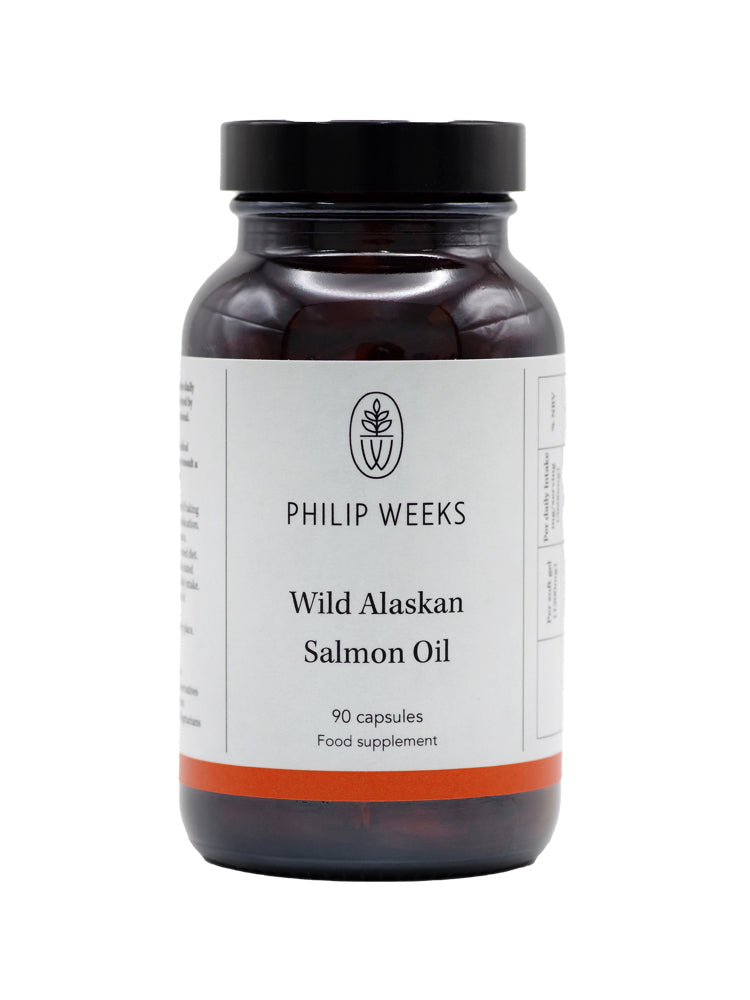
- Support with Omega 3s: Take a daily, high-dose, clean salmon oil (available on my website) to address the internal inflammation that drives fat storage. I increased the intake of fish oil quite dramatically during my own mission to reduce my visceral fat levels.
- Green Tea and EGCG: Green tea contains a powerful antioxidant called epigallocatechin gallate (EGCG). Research suggests this compound can boost fat oxidation and improve the body's ability to break down fat cells, particularly during exercise.
- Prioritise Sleep: High levels of cortisol from poor sleep lead directly to visceral fat storage. Aim for seven to eight hours of rest in a dark, cool room.
- Exercise of course is important, anything is good, walking in the morning, movement through the day, weight training, HIT etc.
As visceral fat is internal, the numbers on a standard scale can often be misleading. The waist-to-height ratio is a more reliable metric - and one I have found useful - alongside my follow-up scans. As this measurement reduces, you can be confident that you are clearing out the hidden inflammation and securing a healthier future by reclaiming your metabolic health!
Please note: If you plan to lose weight and you have an ongoing health issue, or on medication. it’s important to speak to your GP or a qualified healthcare professional.