
In clinic I use various tests and measurements to assess people’s health. Utilising methods from Chinese medicine, the tongue is examined and the pulse taken, revealing a huge amount of useful information.
Blood tests will also offer insight, and I will often ask people to track their blood sugar levels with a blood sugar monitor, whilst gut microbiome testing is almost always essential to assess a person's unique health requirements.
Yet, if we could measure just one thing that meaningfully determines our overall health, it would be the amount of muscle we have…
Why muscle matters more than we think...
Muscle is rarely treated as a health marker. The amount of muscle we have is not something typically measured when visiting our GP and outside of sport or fitness, it’s often dismissed as cosmetic. Yet, muscle strength and mass are very closely tied to how well we age and how resilient we are.
Muscle influences:
- How stable we are on our feet
- How quickly we recover from illness or injury
- How well we regulate blood sugar
- How much independence we retain later in life
- Our mental and emotional health
- Our hormonal health
Two people can have very similar blood test results, yet very different outcomes after an injury, fall, hospital stay or period of inactivity. Often, the difference is how much muscle mass someone has.
Muscle mass can impact our mental health...
Low muscle mass and strength (often studied under terms like sarcopenia or frailty) are associated with:
- Higher rates of anxiety and depressive symptoms
- Lower stress resilience
- Worse overall mental well-being, especially in older adults
Muscle tissue plays a role in metabolic and inflammatory regulation. Loss of muscle is associated with increased systemic inflammation, which is a known contributor to anxiety disorders.
Muscle loss is easy to miss...
Unlike some medical issues, muscle loss doesn’t usually arrive with obvious symptoms. It tends to happen gradually over time:
- People start to move a little less
- People stop lifting heavy items
- People start to avoid the stairs
The erosion of muscle mass isn’t always dramatic and blood tests can still remain “normal” but over time, our capacity quietly erodes, and so does our health.
Rebuilding muscle is possible, but much harder than maintaining it would have been.
So, how do you maintain muscle?
Muscle responds well to fairly ordinary activity and doesn’t necessarily require extreme routines or constant novelty, but it does need to be used. Some key tips for maintaining muscle are:
Resistance
Muscles stay when they’re challenged. Lifting weights helps, but so does bodyweight work - carrying heavy shopping, pushing, pulling and getting up and down from the floor. Using a pull up bar is a great way to maintain muscle, but if not a viable option, I recommend wearing ankle weights whilst out and about, walking and shopping.
Recovery and sleep
Poor sleep makes it harder to recover and easier to lose muscle, so getting ample deep sleep is essential.
Protein
Muscle is built from protein, and people tend to eat less of it as we age. To build and maintain muscle we often need much more than we think. Most people need about 100gms of protein a day to maintain muscle mass, so I usually recommend eating protein with each meal.
Breakfast
- 3 whole eggs (scrambled, boiled, or as an omelette)
- 1 slice sourdough toast with butter
- Sauerkraut or other fermented vegetables
Lunch
- 150g grilled chicken breast
- 1 cup cooked rice, quinoa, or potatoes
- Steamed or roasted vegetables (broccoli, spinach etc.)
Dinner
- 1 can sardines (100–120g, in olive oil)
- Side salad or vegetables
- Optional: small serving of bread or potatoes
Or, 100gms of daily protein for a vegetarian meal plan will look something like this...
Breakfast
- Greek yogurt or high-protein soy yogurt (1 cup)
- 2 whole eggs or tofu scramble (100g)
- Sauerkraut or other fermented vegetables
Lunch
-
Lentil & quinoa bowl
◦ 1 cup cooked lentils
◦ ¾ cup cooked quinoa - Mixed vegetables (spinach, peppers, broccoli etc.)
- Olive oil, tahini, or dressing
Dinner
• Firm tofu or tempeh (150–200g)
• Stir-fried or roasted vegetables
• Brown rice
Supplements and muscle maintenance
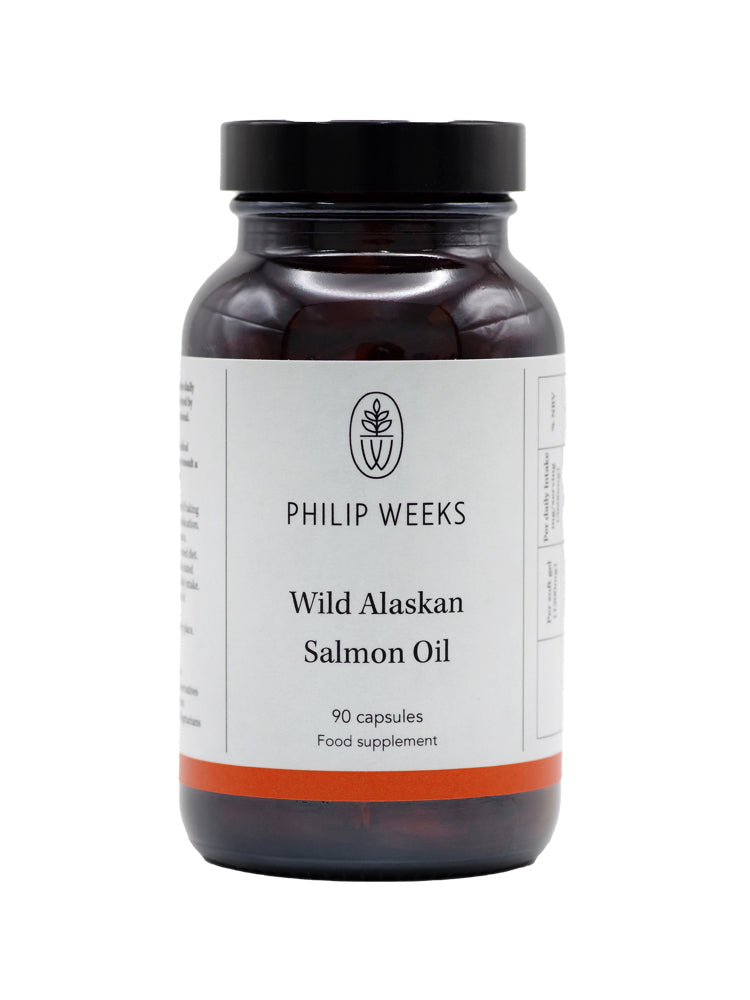
While resistance training and adequate protein intake remain the foundations of maintaining muscle mass, I have found that supplements can play a valuable role. One supplement that has gained increasing attention for its role in muscle health is omega-3 fatty acids.

The importance of Omega-3 for muscle mass
Omega-3 fatty acids, particularly EPA and DHA have been shown to support muscle health in several important ways:
Helps preserve muscle
Omega-3s reduce muscle loss during periods of inactivity, injury, or immobilisation, helping muscles recover more efficiently.
Supports muscle growth
They improve how muscle tissue responds to protein and insulin, enhancing muscle protein synthesis and making dietary protein more effective.
Enhances strength gains with training
When combined with resistance exercise, omega-3s can lead to greater strength and functional improvements, with especially strong benefits seen in older adults.
Reduces inflammation
Their anti-inflammatory properties may help slow age-related muscle loss (sarcopenia) and support long-term muscle health.
Omega-3s don’t replace exercise or movement of course, but they can significantly enhance both muscle-building and muscle-preserving effects.