
After more than two and a half decades in the clinic, if there is one thing I see running through nearly every health complaint from fatigue and poor sleep to digestive problems and hormonal imbalance, it is chronic stress.
We tend to treat stress as something purely psychological. Something we can simply push through. But stress is also profoundly biological, with a measurable and cumulative cost on the physical body.
Your Cells Are Keeping Score
At the end of every chromosome in your body sit protective caps called telomeres. Think of them like the tips on a shoelace, there to stop everything from unravelling. They naturally shorten as we age, but research has shown that chronic psychological stress accelerates this process significantly.
A landmark study found that women with the highest levels of perceived stress had telomeres shorter by the equivalent of at least a decade of additional ageing, compared to those with low stress. The same research linked chronic psychological stress to higher oxidative stress and reduced telomerase activity. This is the enzyme responsible for maintaining those protective caps, and under sustained pressure, its function begins to decline.
What Happens When We Experience Stress?
When the brain perceives a threat, whether that is a predator, a difficult conversation, or an overflowing inbox, it triggers the release of stress hormones: cortisol, adrenaline, and noradrenaline. Blood pressure rises. Heart rate climbs. Blood sugar spikes. Muscles tense. Breathing shallows.
This ancient survival system is doing exactly what it was designed to do. The problem is it was built for short, sharp threats that quickly resolve. Not the persistent, low-grade pressure of modern life that never quite switches off. I also think for many of us it is the sheer amount of sensory input we are exposed to, particularly through technology, that keeps us in a state of constant overstimulation.
Why Chronic Stress Is Different
When cortisol and other stress hormones circulate continuously, they begin interfering with your cardiovascular, nervous, endocrine, and gastrointestinal systems. Over time, this raises the risk of anxiety, disrupted sleep, immune dysfunction, blood sugar imbalance, and cardiovascular disease. At the cellular level, it reduces telomerase activity and accelerates the shortening of telomeres.
But Mindset Matters More Than You Might Think
There is research that genuinely changed how I approach this topic in the clinic.
A study by Stanford's Alia Crum found that viewing stress as a helpful and manageable part of life, rather than something harmful, is associated with better health, emotional wellbeing, and productivity, even during periods of high demand. The conclusion is striking. It is not stress alone that harms us, but experiencing stress while believing that stress is bad for you.
The biology supports this too. For several hours after a strong stress response, the brain actively rewires itself, consolidating learning and building resilience from the experience.
This does not mean ignoring stress or pretending everything is fine. It means consciously shifting your relationship with it. Viewing a demanding period as something your body and mind are adapting to, rather than something that is destroying you, leads somewhere quite different.
Acupuncture is a remarkably powerful tool in this regard. It helps both the mind and the body adapt to stress and build genuine resilience over time, which is one reason I return to it so consistently in clinical practice.
What To Do About It
Where possible, address the source. Fewer commitments, clearer boundaries, structural changes to how you live and work. These matter more than any supplement.
But when that is not fully possible, and for most of us it is not, here is what I recommend, drawing on both clinical experience and the evidence.
Sleep is foundational
Our body responds to healthy and sustainable rhythms, and sleep is when it repairs the damage that stress inflicts. Aim for seven to nine hours. To support our sleep under times of stress we need to stop eating at least three to four hours before bed, build a genuine wind-down routine in the hour before sleep, and keep to a sleep schedule as consistent as possible.
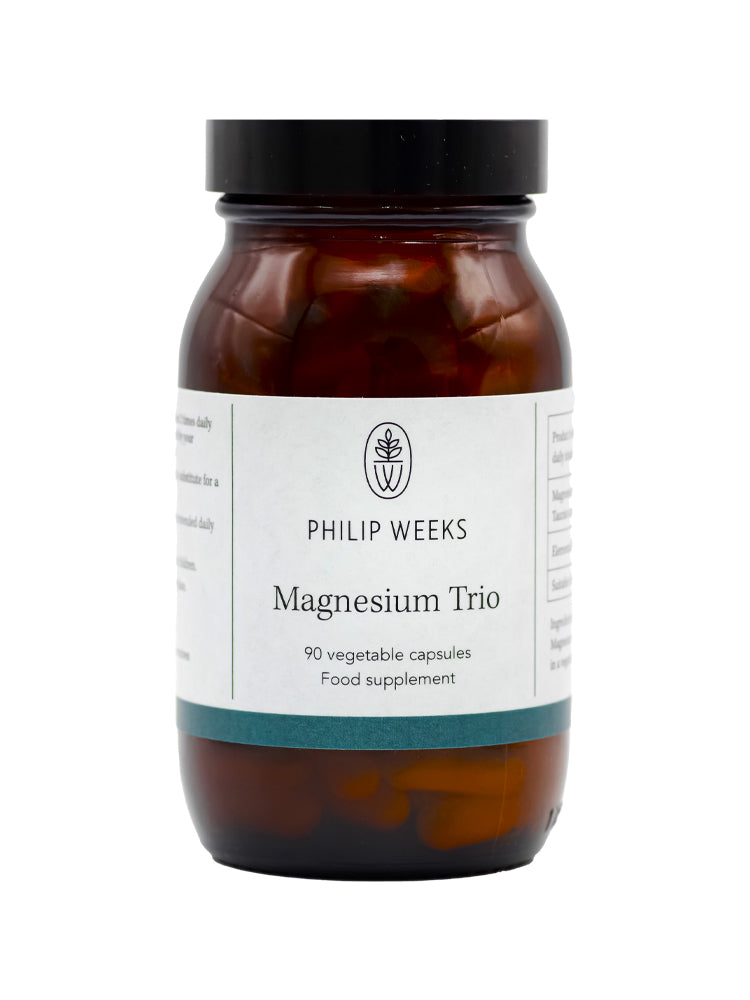
Magnesium is something I recommend almost universally for sleep and stress, and it is the most common deficiency I encounter in clinic. Sustained high cortisol actively depletes magnesium levels, which is why replenishing it matters so much under pressure. This is why I formulated the Magnesium Trio, combining Magnesium Glycinate for the nervous system, Magnesium Taurate for heart and muscle function, and Magnesium Citrate for cellular energy, with no fillers or additives.
Move your body
Regular exercise, particularly mind-body practices like yoga, tai chi, or even a long walk, is one of the most well-evidenced ways to lower circulating cortisol. Around 90 to 150 minutes of moderate movement per week appears to produce the most meaningful reduction. It also improves sleep, which matters just as much.
When under acute stress, more forceful activity that burns up circulating cortisol can be particularly helpful. During my time at a Shaolin monastery in southwest China, I came to understand this viscerally. We would never begin a meditation session without first completing quite intense physical work. Although meditation is deeply valuable for the mind, that physical release came first, and the calm that followed was different because of it.
Use heat
Regular sauna use is something I have come to regard as one of the more underappreciated tools for stress recovery. The heat triggers a powerful response, a controlled stress on the body that prompts it to adapt and grow stronger. It lowers cortisol, promotes the release of endorphins, and induces a depth of relaxation that many people find difficult to reach any other way. Research also points to cardiovascular benefits and improved sleep with consistent use. Two to three sessions a week of around twenty minutes is enough to make a meaningful difference. There is also something to be said for simply sitting in stillness with no phone and nowhere to be. The nervous system needs that more than most of us realise.
Breathe properly
This is consistently underrated. Slow, diaphragmatic breathing into the belly rather than the chest activates the parasympathetic nervous system and can measurably lower both cortisol and blood pressure. Try two short inhales through the nose, followed by a long, slow exhale through the mouth. Even five minutes of this daily can genuinely change how your body responds to stress over time.
Nutritional support
Feed your adrenal glands
Stress rapidly depletes magnesium, vitamin C, and B vitamins, all essential for producing and regulating stress hormones. Prioritise good quality protein, small amounts of dark chocolate, nuts, leafy greens, citrus, eggs, and wholegrains.
Stabilise your blood sugar
Erratic blood sugar makes everything feel harder. Eating enough protein is central to this and amino acids are the raw material your brain uses to make serotonin and dopamine. Eggs, fish, chicken, beans, and Greek yogurt are all excellent sources.
Get your omega-3s
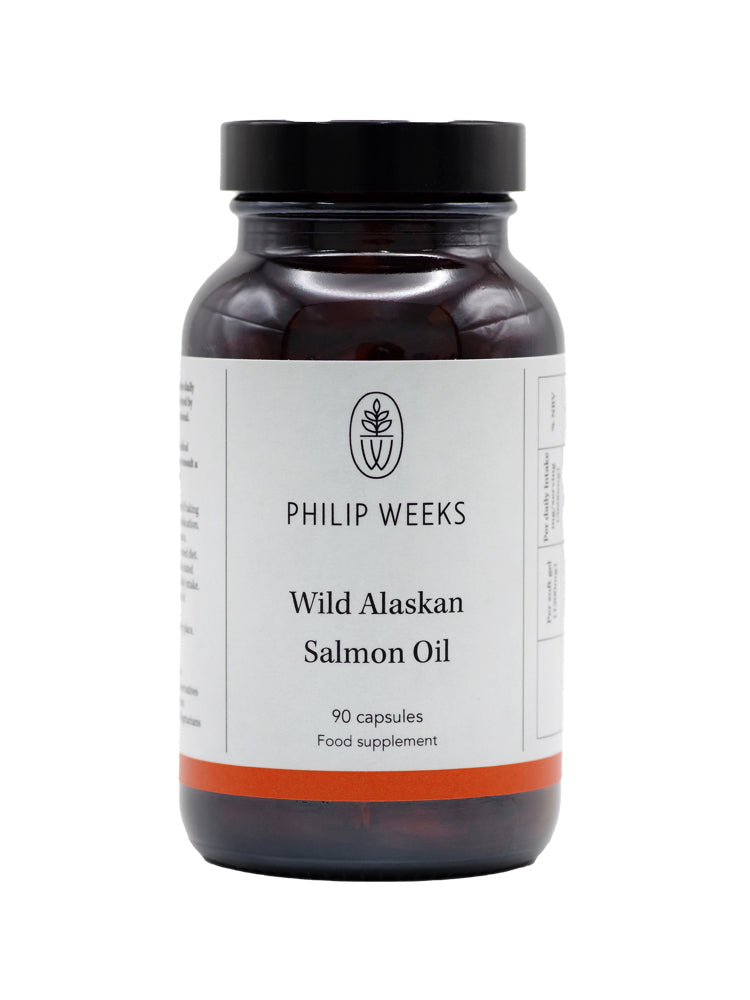
Oily fish, walnuts, and flaxseed provide anti-inflammatory fats that help protect the brain and body from the physical wear of chronic stress. Wild Salmon oil is one of my preferred sources.
Cut back on what makes it worse
Excess caffeine, alcohol, refined sugar, and ultra-processed food all pull us in the wrong direction, draining the very nutrients your body needs most right now.
Herbal support
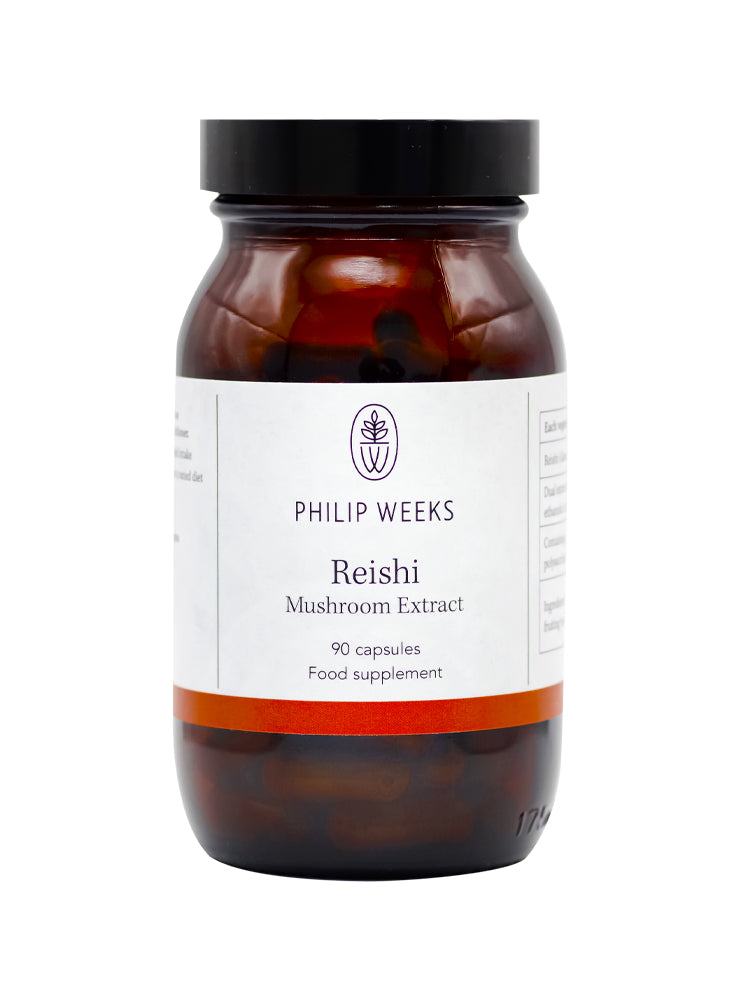
In both traditional Chinese medicine and Western herbal practice, adaptogens are plants that help the body adapt to stress and restore equilibrium. Reishi mushroom is among the most powerful I know. Revered for centuries as the mushroom of immortality, it supports immunity, nervous system resilience, and long-term vitality.
My Reishi Mushroom Extract is double-extracted and grown on natural tree logs, full spectrum and high potency, rich in beta-glucans, triterpenes, and polysaccharides. It is one of my personal favourites in the dispensary, and one I reach for particularly during periods when life is asking a great deal.

Philip Weeks is a Master Herbalist, acupuncturist, and functional medicine practitioner with over 25 years of clinical experience. Visit the Dispensary or book an appointment to work with Philip directly.