
Maybe you’ve had a lot on recently and find yourself feeling a little out of sorts.
Perhaps your diet has taken a hit, and, as a result, you don’t feel like your best self. Summer often brings with it the sort of plans that make it easy for us to overindulge and stray from our usual healthy eating habits
But sometimes it can leave us feeling like we need a good detox.
Thankfully, our bodies have a highly effective, built-in detoxification system. Our liver, kidneys, digestive system, skin and lungs work together to process and remove waste products and any other unwanted nasties.
But they can only work effectively if they’re healthy – which is where what we eat comes in.
There are a number of foods that naturally support detoxification by keeping those working organs in tip-top condition. Whether it's fibre-rich foods that support healthy digestion and regular bowel movements, or antioxidant-rich foods that help protect the body's cells from oxidative stress, an optimum diet provides the nutrients our body needs to function at its absolute best.
How does the body naturally detox?
Several key organs work together to identify, process and eliminate any waste products or potentially harmful substances.
The liver is the body's primary detoxification organ. It filters blood, breaks down alcohol, medications and other substances, before converting them into forms the body can use or safely remove.
Kidneys are another important organ when it comes to detoxification. They work by filtering the blood and removing any excess water, salts or waste products, before expelling them as urine.
As expected, our digestive system plays a crucial role in our body’s natural detoxification processes. It does this by helping our body remove any waste it no longer needs.
There’s also our lungs – which eliminate carbon dioxide, and our skin – which acts as a protective barrier and helps regulate body temperature through sweating.
Foods and habits that may inhibit natural detoxification
No foods or habits completely “stop” our body from detoxing, but certain choices can slow down the detoxification pathways making detoxification less efficient negatively affect the organs responsible for these processes, especially when consumed in excess.
- Drinking excessive alcohol: Drinking too much alcohol places extra strain on the liver, as it must prioritise breaking down alcohol over many of its other essential functions.
- Sugary foods and drinks: A diet high in added sugar, particularly sugar-sweetened drinks, can contribute to fat build-up in the liver and affect its long-term health.
- Restrictive or low-energy diets: Consistently eating too little or following a diet low in protein and essential nutrients can deprive the body of the vitamins, minerals and amino acids it needs to support normal liver function and its natural detoxification processes.
- Ultra-processed foods (UPFs): Diets high in ultra-processed foods are often low in fibre and essential nutrients while being high in added sugars, unhealthy fats and additives. Over time, this dietary pattern may negatively affect liver health, gut microbiota and overall metabolic health.
- Foods high in salt: Regularly consuming too much salt can place extra strain on the kidneys and contribute to high blood pressure.
Foods that naturally support detoxification

Broccoli
Cruciferous vegetables like broccoli, sprouts, cauliflower and kale contain a natural plant compounds called glucoraphanin which converts into what’s known as sulforaphane when chopped, crushed or chewed.
Sulforaphane has been shown to support the body's natural detoxification enzymes and antioxidant defences. In studies they have been found to upregulate the ability to eliminate heavy metals and even particulates from air pollution that the body has been exposed to. They also work by helping the liver process and eliminate waste products while protecting against oxidative stress.
In terms of preparation, it’s recommended that you chop up the broccoli into small pieces and then leave them for at least an hour. You can then steam the broccoli for between 1-3 minutes, this helps create the maximum amount of sulforaphane.

Spinach
A nutrient-dense leafy green, spinach is packed with vitamins, minerals and antioxidants that support overall health. An excellent source of fibre, it plays an important role in digestive health by keeping bowel movements regular.
It’s also rich in vitamin C, vitamin E and beta-carotene, which help protect cells from oxidative stress.
A powerhouse of nutrients, spinach is brilliant at supporting the healthy functioning of the organs responsible for our body's natural detoxification processes.

Garlic
Garlic can do more than add flavour and depth to a dish. Good for digestion, it helps the body break down food more efficiently and, as a result, absorb nutrients more effectively.
It contains naturally occurring sulphur compounds, which are involved in many of the liver's normal detoxification pathways. Sulphur is an essential component that helps the body process and remove waste products.

Beetroot
Beetroot is particularly good for liver health as it provides antioxidants that help protect the cells in our liver from oxidative stress and inflammation.
Beetroot contains betaine which can help:
- Support methylation reactions
- Maintain normal liver function
- Regulate homocysteine metabolism
Methylation is involved in processing some drugs, hormones, and metabolic byproducts, making it one component of the body's broader detoxification network.
It’s also a great source of fibre, again supporting healthy digestion and regular bowel movements.
Bitter foods such as endives
Any bitter foods such as rocket, dandelion greens, chicory, radicchio, endive, and kale can stimulate the body to produce bile, which in itself can support detoxification pathways.
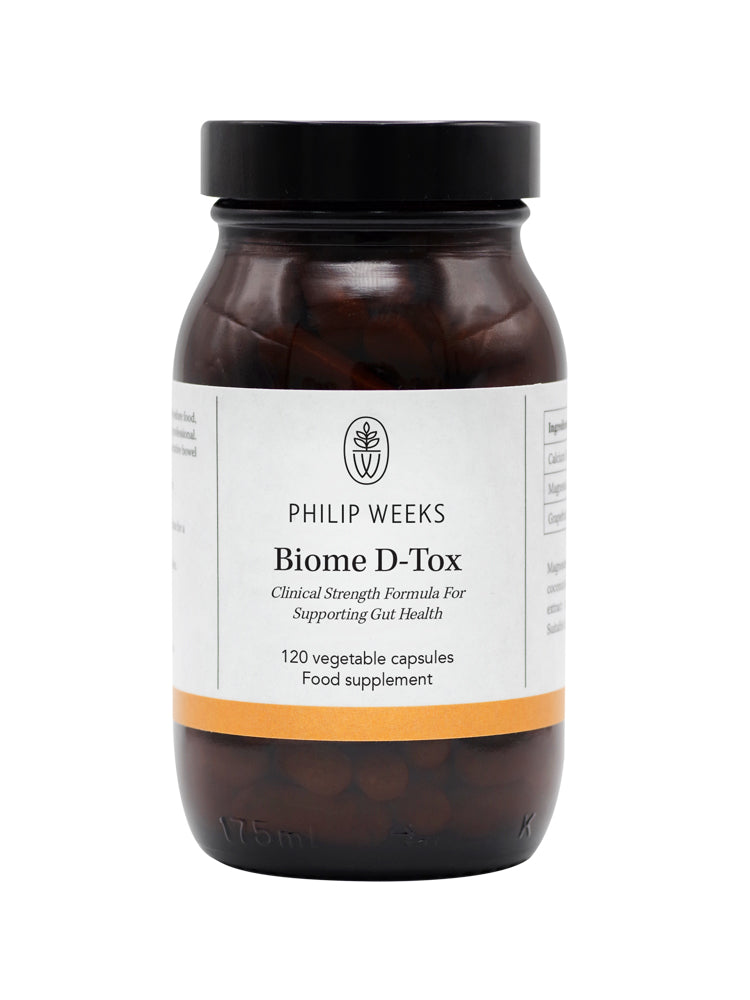
From a plant extract point of view, in the clinic I use an extract of Berberine in a capsule in the formulation Biome D-tox. Which is designed to not only target problematic gut bacteria but the intense bitter compound berberine has been found to support detoxification, and may assist in clearing harmful substances from the body.

SHOP BIOME DETOX
Sources
British Dietetic Association (n.d.) Detox Diets. Food Fact Sheet.
Cleveland Clinic (2024) Oxidative Stress: Causes, Symptoms & Treatment.
Ubie Health (n.d.) How Doctors Explain the Detoxification Power of Sulforaphane. Doctor's Note.