
If you suffer from digestive issues, you’re not alone. Two in five Brits suffer from persistent and often undiagnosed gut health issues.
Growing research into the gut microbiome, alongside a wider shift towards preventative health, and an appreciation for ancient medical systems such as traditional Chinese medicine, has brought gut health centre stage. But what does it actually mean? And how might you know if something isn’t quite right?
An unhappy gut can show up in a number of ways, from irregular bowel movements and persistent bloating to changes in energy levels and struggles with skin. Yet, many of us ignore these symptoms and avoid making the necessary changes our gut needs to function at its very best.
You’re always bloated
One of the most common signs your gut needs help is constant bloating. Feeling bloated on the occasion after eating is perfectly normal, but continuous bloating could suggest that something is going on internally, particularly if it’s accompanied by other symptoms such as abdominal pain or changes in bowel habits. If you’re feeling continually bloated, you should definitely get it checked with your GP.
However, most of the time, bloating occurs when there’s a build up of excess gas in the digestive tract which happens when food isn’t fully broken down during digestion. This results in certain carbohydrates and fibres reaching the large intestine where they are fermented by gut bacteria. This fermentation process naturally produces gas, which can become trapped and, understandably, lead to feelings of fullness, pressure, or swelling in the abdomen.
You’re experiencing irregular bowel movements
It’s completely normal for your bowel habits to change from time to time, especially after periods of overindulgence, stress, changes in routine, or travelling. But it becomes a concern if it’s happening on a regular basis and interfering with daily life.
Persistent constipation, diarrhoea or frequent swings between the two could indicate something going on with your digestive health.
When the balance of bacteria in the gut is off or changes, it may affect a few things including: how food is broken down, how water is absorbed in the intestines, and how quickly waste moves through the digestive tract. And it’s likely down to a change in your fibre intake, an increase in stress, uptick in illness or shift in lifestyle habits.
You’re suffering from increased fatigue
Feeling sluggish? If you find yourself feeling exhausted and low on energy, even after the recommended amount of sleep, it could be an indicator that your gut isn't functioning optimally.
Your digestive system is responsible for breaking down food and absorbing the nutrients your body needs to produce energy. If this process isn't working efficiently, it may contribute to nutrient deficiencies, which can leave you feeling fatigued and run down.
Certain digestive conditions can also lead to malabsorption, where the small intestine is unable to properly absorb nutrients from food. This can result in deficiencies in vitamins, minerals, and other nutrients that are essential for energy production.
You’re craving sugary foods
A sweet treat every so often is fine, but if you’re experiencing an overwhelming or frequent craving for sugar, it could reflect something happening in your gut.
Whenever we consume high levels of sugar, our brain can produce a strong dopamine response. We end up craving this response, which can be why we feel the urge to eat even more, resulting in an ongoing cycle.
Diets high in refined sugar have been linked to reduced microbial diversity (fewer types of beneficial bacteria), which is generally considered a marker of poorer gut health. The more refined sugar in your diet, the less variety of microorganisms that help support healthy digestion and immune function.
You’re frequently ill
Feel like your immune system has taken a hit? A weakened immune system is another marker that can point to an imbalance in your gut.
A huge percentage of the body’s immune cells can be found inside the gut, which means when the balance of gut bacteria is disrupted, it may affect how well your immune system responds. This could leave you more prone to catching illnesses or taking longer to recover from infections.
You’re struggling with your skin
Issues with skin, whether it’s acne, eczema or unexplained rashes, may also signal poor gut health.
The bacteria living in your gut and on your skin work together to help keep your skin healthy. When your gut microbiome is balanced, it can support a stronger skin barrier, help regulate inflammation, and promote a healthier complexion. But when the gut is out of balance, it may increase the risk of flare-ups, irritation, and other skin concerns.
The connection between the digestive system and the skin is known as the "gut-skin axis". Growing research suggests that imbalances in the gut microbiome may contribute to inflammatory skin conditions by influencing the immune system, increasing inflammation, and affecting the skin's protective barrier.
Ways to boost your gut health
-
Eat more fibre-rich foods: Fibre feeds the beneficial bacteria in your gut, helping to support a diverse and balanced microbiome. Emphasise more vegetables in the diet as opposed to grains such as wheat, which, although contains fibre, is often problematic for the digestive system.
-
Include fermented foods in your diet: Foods like yoghurt, kefir, sauerkraut, and kimchi contain beneficial bacteria that can help support gut health.
-
Stay hydrated: Drinking enough water helps keep your digestive system moving and supports regular bowel movements. Make sure it is filtered, as chlorine can disrupt the microbiome.
-
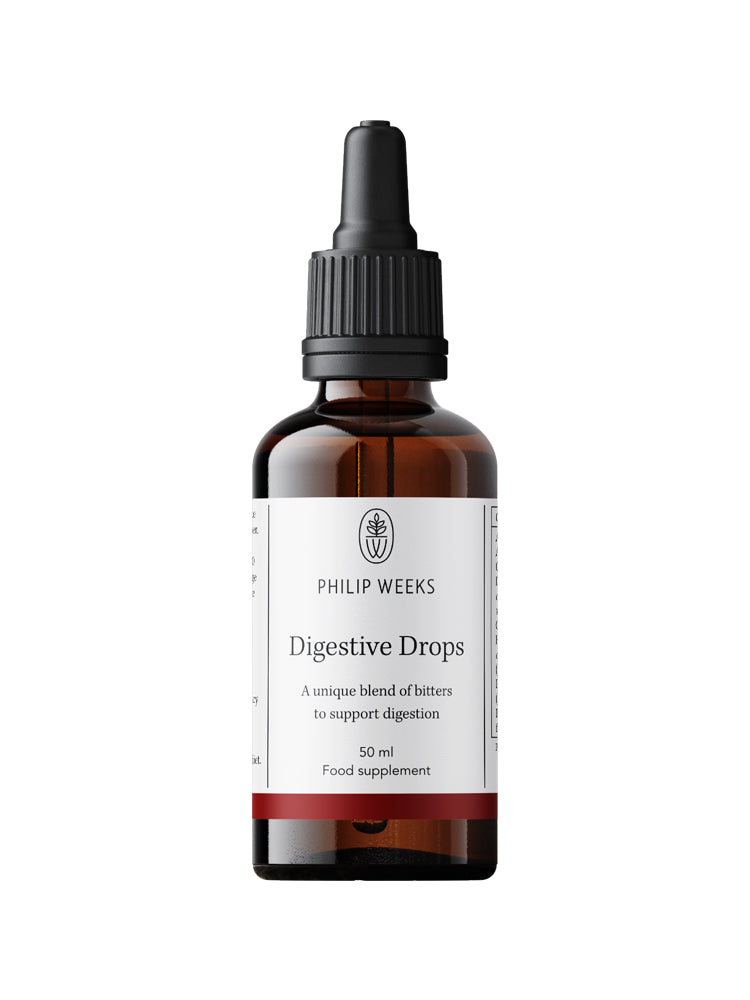
Take bitter foods before a meal or ‘digestive drops’ to help break down foods more effectively.
-
Prioritise sleep and manage stress levels: Poor sleep and chronic stress can disrupt the gut microbiome, so supporting your mental wellbeing is important for digestive health.
-
Cut out ultra-processed foods: Reducing foods high in added sugars and unhealthy fats such as vegetable and sunflower oils, as well as added emulsifiers which can adversely affect the gut lining.
Take a good quality probiotic such as my Biome D-Tox.

BIOME D-TOX
I created my potent Biome D-Tox to help support a healthy, balanced gut, by tackling unhelpful bacteria and yeast overgrowth.
Please note:
Digestive symptoms such as persistent or recurrent bloating, abdominal pain, changes in bowel habits, indigestion, or other gastrointestinal concerns can have many possible causes. If you are experiencing digestive symptoms, particularly if they are persistent, worsening, severe, or unusual for you, please speak to your GP or another qualified healthcare professional.
Sources:
WeCovr Editorial Team (2026) ‘UK Gut Issue: 2 in 5 Britons Suffer’, WeCovr Guides
The Functional Gut Clinic (n.d.) ‘Signs your gut might need a check-up’, The Functional Gut Clinic.