
How many times have you had to take a deep breath this week due to stress?
An estimated 91% of adults in the UK experience high or extreme stress on a yearly basis, while nearly a quarter feel stressed every single day.
It’s one of the most common concerns I hear in clinic, and something that, as a nation, we struggle to deal with.
Often the first thing people blame is the body's primary stress hormone: cortisol. But it’s a little more complex than that.
What is cortisol?
Cortisol is a hormone that is produced by the adrenal glands that sit at the top of our kidneys.
Triggered when we encounter a stressful situation, our brain activates the Hypothalamic-Pituitary-Adrenal (HPA) axis (our body’s primary stress response system), which signals to our adrenal glands to release cortisol.
Cortisol is then what increases your alertness and helps you respond to whatever you’re facing.
Although it's commonly referred to as the "stress hormone," cortisol does far more than simply respond to stressful situations. It helps regulate blood pressure, reduce inflammation, support metabolism and manage our sleep-wake cycle.
If your body produces too much or too little cortisol, it can cause health issues. This is because cortisol plays such a central role in regulating multiple systems throughout the body.
I feel stressed. Is my cortisol too high?
The short answer is: not necessarily. If you’ve found yourself feeling stressed or overwhelmed, it’s natural to assume your cortisol levels are high. But that’s not always the case.
Healthy cortisol follows a daily circadian rhythm. Levels are naturally highest in the morning, helping you wake up feeling alert and preparing your body for the day, before gradually declining throughout the day and reaching their lowest point at night.
It’s completely normal for your cortisol levels to spike during stressful situations. It becomes a concern if you suffer from chronic stress, which can impact the daily rhythm of cortisol, and disrupt the way it’s released and regulated.
Research suggests that chronic stress can alter the body’s sensitivity to the hormone, and may, in some cases, lead to a blunted stress response.
In other words, if your stress system is repeatedly activated, it can have a negative effect on the way cortisol works in your body.
However, feeling stressed does not automatically mean that your cortisol levels are too high. Many of the symptoms associated with stress – whether it’s tiredness, poor sleep quality, anxiety, brain fog and changes in appetite – can have many different causes.
There are ways to measure whether your cortisol is at the correct level or not. One method I use in the clinic is to get someone to conduct a home test of producing a number of saliva samples in the day. This is then sent to a laboratory and the rise and fall of cortisol on an average day is then measured to see if it is optimum. Our levels should naturally be raised in the morning and lower at night when we should be resting.
7 ways to manage stress and regulate your cortisol levels
Prioritise a good night’s sleep
Create a consistent nighttime routine and aim for seven to nine hours of sleep a night.
Eat a nutrient-dense diet
Aim to include a combination of protein, fibre, healthy fats and small amounts of complex carbohydrates as this helps support overall health.
Avoid excessive alcohol and caffeine
Too much caffeine and alcohol can interfere with a range of systems in the body. Try and moderate your consumption. Some people do so much better when alcohol is completely cut out, and the same for caffeine.
Create a routine around exercise
Regular physical activity can help improve mood, reduce stress and support the body's ability to cope with stress over time. Exercise in the morning is much better for a balanced hormonal profile.
Stay socially connected
Research suggests that spending time with people you trust can reduce your physiological response to stress.
Make time to relax and unwind
Practising mindfulness, meditation, breathing exercises or yoga can help activate the body’s relaxation response.
Exposing ourselves as soon as possible to morning light, so being outside, not wearing glasses, even on an overcast day, can keep our circadian rhythm healthy.
Ultimately, the focus shouldn't be on trying to eliminate cortisol or constantly lower your levels. Cortisol is an essential hormone that we need to function properly. The goal is to support a healthy cortisol rhythm and an appropriately regulated stress response, allowing cortisol to rise when we need it and fall again when the stressful situation has passed.

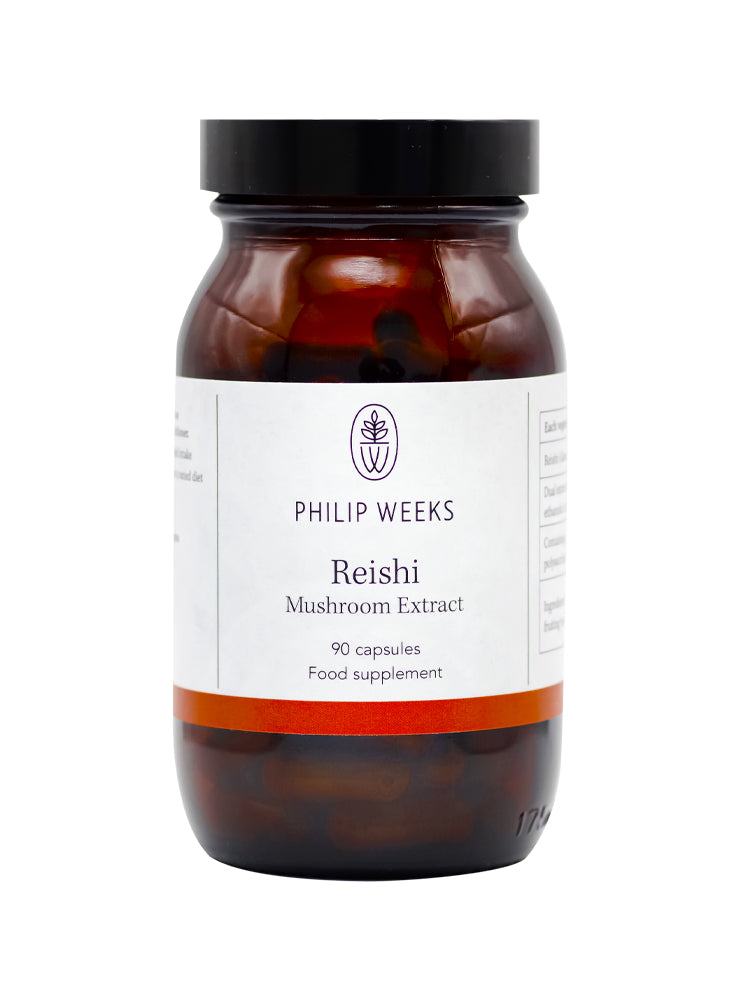
REISHI MUSHROOM EXTRACT
To help calm the mind and manage the negative impact of stress, I recommend taking my Reishi Mushroom Extract, which is double-extracted to create high potency, full spectrum capsules, packed with beta-glucans, triterpenes, and polysaccharides. It is what is known as an adaptogen, which means it has a balancing effect, so I use it clinically for both high and low levels of cortisol.
If you have a medical condition or are taking medication, always consult a practitioner before taking any supplementation. The information provided in this article is for informational purposes only and should not be considered medical advice.
Sources:
Priory (n.d.) ‘Stress statistics’.