
Many people experiencing low mood, brain fog, or fatigue immediately assume it is depression. But sometimes the cause can be biochemical rather than psychological.
One key nutrient that is often overlooked is vitamin B12.
Why Vitamin B12 Matters for Mood
Vitamin B12 plays a vital role in the production of serotonin and dopamine, two neurotransmitters that influence mood, motivation, and emotional balance. When B12 levels drop, the body struggles to make enough of these mood-regulating chemicals, which can lead to symptoms that look very similar to depression.
Low B12 can contribute to:
- Persistent low mood or sadness
- Fatigue and lack of motivation
- Brain fog or memory problems
- Irritability or anxiety
- Sleep disturbance
Who Is at Risk of Deficiency
It is often assumed that only vegans or vegetarians need to worry about B12 deficiency, but it is more common than many people realise.
B12 absorption depends on a protein called intrinsic factor, produced in the stomach. If this process is disrupted, even a diet rich in animal products may not be enough.
Risk factors include:
- Digestive disorders such as coeliac or Crohn’s disease
- Low stomach acid or use of acid-blocking medication
- Pernicious anaemia (autoimmune loss of intrinsic factor)
- Vegan or vegetarian diets without supplementation
- Ageing, which naturally reduces absorption capacity
How to Test for B12 Deficiency
A simple blood test is the most reliable way to check your status. Standard tests measure serum B12, but sometime I also use methylmalonic acid (MMA) or homocysteine levels for a more accurate picture of how well B12 is working inside cells.
If levels are low or borderline, supplementation can bring significant improvements in mood, energy, and concentration within weeks.
Restoring Healthy Levels
Dietary sources
Meat, fish, eggs, and dairy are the best natural sources. Fortified plant milks and nutritional yeast can help for those following plant-based diets.
Supplements
There are a number of different forms of B12 but methylcobalamin is a form that is most well absorbed.
Injections
For those with poor absorption or pernicious anaemia, B12 injections can quickly restore levels.
If you suspect low B12, always check with your healthcare provider before supplementing at high doses.

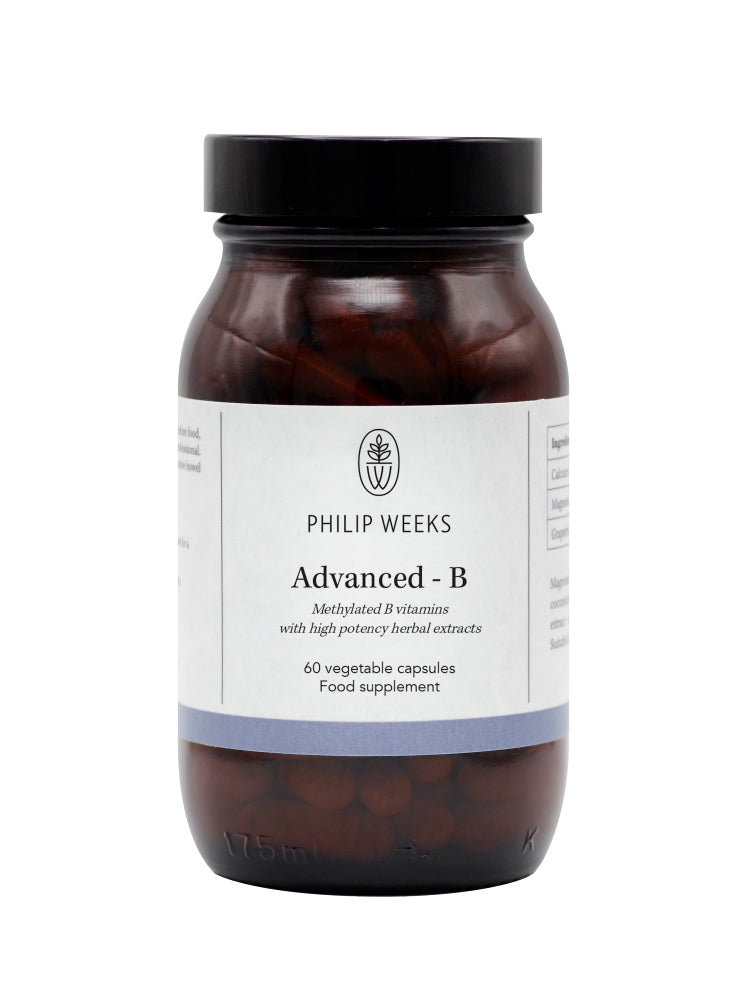
Shop Advanced B
The Bigger Picture
Depression is a complex condition with many possible causes, but nutritional deficiencies are often overlooked. For some people, low B12 may be an underlying factor that makes the brain more vulnerable to low mood and fatigue.
If you experience persistent sadness or brain fog, it is worth considering that your body may be asking for nutrients rather than simply signalling emotional distress.
If you have a medical condition or taking medication always consult a practitioner before taking any supplementation. The information provided in this article is for informational purposes only and should not be considered medical advice
References
Almeida OP et al. Vitamin B12 deficiency and depression in older adults: systematic review and meta-analysis. Br J Psychiatry. 2015.
Young SN. Folate and B12 in the treatment of depression. J Psychiatry Neurosci. 2007.
Moore E et al. Cobalamin deficiency and depression: a review of the evidence. J Affect Disord. 2012.
Reynolds E. Vitamin B12, folate, and the nervous system. Lancet Neurol. 2006.
Hutto BR. Folate and cobalamin in psychiatric illness. Compr Psychiatry. 1997.