


Philip Weeks
Master Herbalist & Functional Medicine Practitioner
Time and again in clinic I’ve observed that small, consistent shifts can have a powerful impact. Wellness isn’t about extremes – it’s about daily rhythm.
In this guide I’ve outlined five foundational areas that support vitality, resilience, and long-term health. Whether you’re struggling with fatigue, stress, poor sleep, digestive issues, or just want to feel more balanced, this is a great place to begin.

Sleep
Your first line of defence
Poor sleep undermines every system in the body – immune, hormonal, cognitive, and emotional. It’s not just about quantity, but quality. Deep restorative sleep helps regulate cortisol, supports detoxification, and aids nervous system repair.
Try this:
- Taking my magnesium blend (containing magnesium glycinate, taurate and citrate) at night has been shown to increase the depth of your sleep, therefore, resulting in waking up feeling more refreshed
- Chamomile tea contains apigenin, so drinking it in the evening can reduce the time it takes you to fall asleep at night
- Sleeping in a cool room can encourage REM sleep
- Keep your bedroom cool, dark and tech-free to create an ideal environment for sleep

Nutrition
Fuel that restores
The food you eat is information for your body. Every bite can help regulate blood sugar, support gut health, and reduce inflammation – or do the opposite. Focus on whole, nutrient-dense foods that truly nourish.
Try this:
- Eating organic food makes a difference, reducing our exposure to toxic chemicals
- Cut out ultra-processed foods as they disturb the balance of the microbiome
- Include bitter greens to support digestion
- Don’t fear healthy fats such as olive oil, and even butter and lard – your brain and hormones rely on them

Exercise
Move to build, not burn
Exercise isn’t just for fitness. It’s medicine for your brain, your mood and your metabolism - but more isn’t always better. For those dealing with fatigue or burnout, the right type of movement is crucial.
Try this:
- Walk daily, ideally outdoors first thing in the morning to regulate your melatonin production
- Even small amounts of high-intensity can have a big impact, and using weights has multiple benefits for men and women
- Yoga, tai chi and qigong support both energy and restoration

DETOXIFICATION
Support, don’t strain
Detox isn’t a one-time event. Your body is detoxifying every single day – through your liver, kidneys, skin, and gut, but modern life can overwhelm those systems. Supporting our detoxification pathways can help reduce fatigue, brain fog, and improve hormonal imbalance.
Try this:
- Drink 1.5–2 litres of filtered water a day
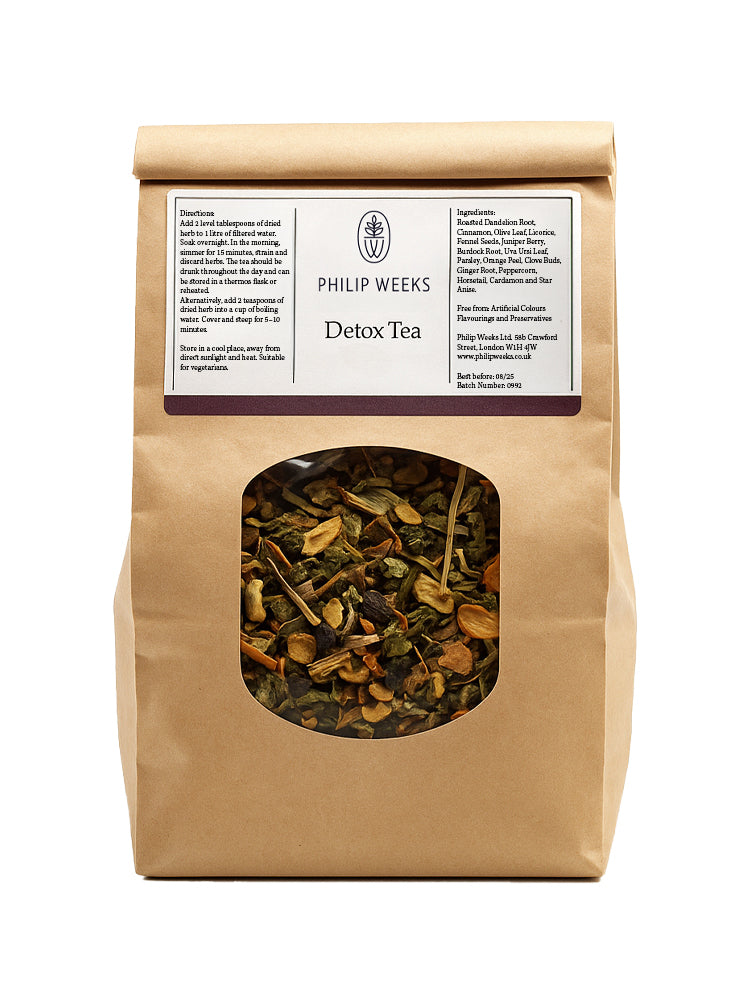
(ideally with Reverse Osmosis filtration) - Drink herbal infusions daily, such as dandelion root, burdock root or parsley rootPrioritise sweating via either movement or a sauna and avoid toxins where possible - (plastics, pesticides, personal care products)

Routine
Rhythm builds resilience
Our bodies thrive on rhythm. When we eat, sleep, move, and work at regular times, we reduce stress on the nervous system. Routine supports the circadian rhythm, balances hormones, and improves digestion.
Try this:
- Eat meals at roughly the same times each day
- Get daylight first thing in the morning
- Exercise within the first 2 hours of the day to prevent cortisol spiking in the evening, interfering with sleep quality
- Wind down with a predictable evening ritual
- Keep tech and stimulants (like caffeine) out of the evening routine

Final Thoughts
Wellness doesn’t come from doing everything perfectly
It comes from building habits that work with your body, not against it. Small and meaningful changes can have a big effect in the long run.
These are the same principles I use with my patients in the clinic and they can lay the foundation for lasting change.
Want more practical insights?
You’ll receive regular guidance through my HealthHub newsletter, where I share grounded, science-backed tips on supplements, food, lifestyle and herbal medicine.






Download the 5 Top Tips for Wellness Guide
Save or print your copy of this clinical protocol to reference daily habits, food choices, and restorative rhythms anytime.