
Gut health has been at the heart of clinical work for the past 25 years, and in recent years, it has become an increasingly popular topic.
Growing research and awareness have highlighted the important role our gut plays in supporting our overall health and wellbeing.
At the very centre of this conversation is the gut microbiome, an ecosystem of trillions of microbes that support everything from your immune system to nutrient absorption.
The good news is that supporting your gut doesn’t have to be complicated. By eating a varied diet rich in whole, plant-based foods, you can provide your gut microbiome with a wide range of nutrients to thrive on. And a lot of the time, it’s some of the simplest foods that can actually provide exactly what the bacteria in your gut needs.
What is the gut microbiome?
Your gut microbiome refers to the collective community of microorganisms that live in your intestines. These bacteria and other microbes play an important role in digestion and are closely connected with many aspects of our overall health.
How can I improve my gut microbiome?
One of the best ways to support a diverse and healthy gut microbiome is through what we eat. Rather than focusing on a single ‘superfood’, variety is your best friend. Different types of fibre and plant compounds provide nourishment for different species of beneficial gut bacteria.
Foods that feed your microbiome

Vegetables
Vegetables provide different types of fibre and naturally occurring plant compounds, giving your gut microbiome a broader range of nutrients to work with.
Your digestive system can’t break down the fibre on its own, so as it travels through your gut, the trillions of bacteria living there feed on it. In return, those bacteria produce compounds like short-chain fatty acids, which help keep your gut lining healthy, calm inflammation, and support your immune system.
Consuming the widest variety of vegetables can be very helpful as different plant compounds nourish different kinds of bacteria, and a more diverse gut community tends to be a more resilient one. Aim to include a mix of as many colours as possible, but with an emphasis on the green vegetables.
Beans and lentils
Beans, chickpeas, lentils and other pulses are a rich source of dietary fibre and provide a variety of carbohydrates that gut microbes can ferment.
They’re also an affordable and versatile addition to your diet as they can be added to a range of soups and curries, salads and stews.
It’s worth noting that beans and lentils also contain antinutrients like phytic acid, which can get in the way of absorbing minerals such as iron and zinc, and contain harder to digest carbohydrates that can cause gas and bloating.
A pressure cooker is one of the best ways to cook them as the high heat and pressure break down lectins, reduce antinutrients, and soften the beans thoroughly, which makes them much easier on your digestion and helps your body get more out of the nutrients inside. Soaking them first and discarding the soaking water helps even further.
If you’re not used to eating a lot of fibre, introduce pulses gradually and make sure you’re drinking enough water.
Whole grains
Swapping refined grains for wholegrain options can be another simple way to support your gut.
Whole grains such as oats, barley and brown rice contain more fibre and plant compounds than their refined counterparts. The high fibre content can be beneficial for healthy digestion and can also contribute to other aspects of cardiovascular health, including helping to maintain healthy cholesterol levels.
Nuts and seeds
Another useful source of fibre and plant compounds, almonds, walnuts, pistachios, chia seeds and flaxseeds can all be easily added to meals.
As well as supporting your fibre intake, nuts and seeds provide healthy fats, protein and a range of micronutrients. Their fibre can support regular bowel movements and healthy digestion, while also providing a source of fuel for the beneficial bacteria in your gut. They also contain polyphenols and other plant compounds that interact with the gut microbiome and may help support a healthy microbial environment.
Once nuts have been de-shelled, it's important to keep them cool to stop the oils going rancid, either in an airtight container or refrigerated to keep them fresh.
Fermented foods
Adding a small serving of fermented food to your daily diet can be a simple way to support your gut. Some fermented foods contain live microorganisms that may interact with the gut microbiome and contribute to a diverse and balanced microbial environment.
Foods such as live yoghurt, kefir, sauerkraut, kimchi and other fermented vegetables can all be enjoyed as part of a varied, nutritious diet.
When choosing yoghurt or other fermented products, check the label for live cultures and watch out for products containing large amounts of added sugar.

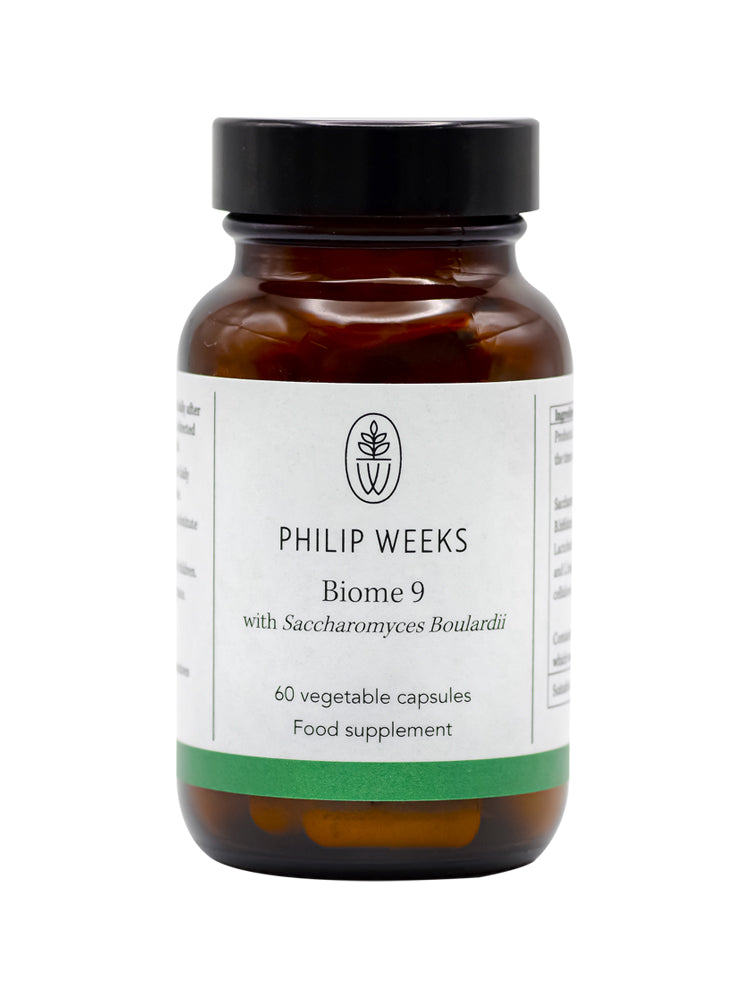
Shop Biome 9
I created my potent Biome 9 to help support a healthy, balanced gut. It has antifungal properties and helps encourage the growth of beneficial bacteria.
Sources:
King’s College London (2018) ‘Some Types of Fibre More Beneficial For Gut Health Than Others’
National Onion Association (2026) ‘Gut Check: How Onions Can Support Digestion in 2026’